
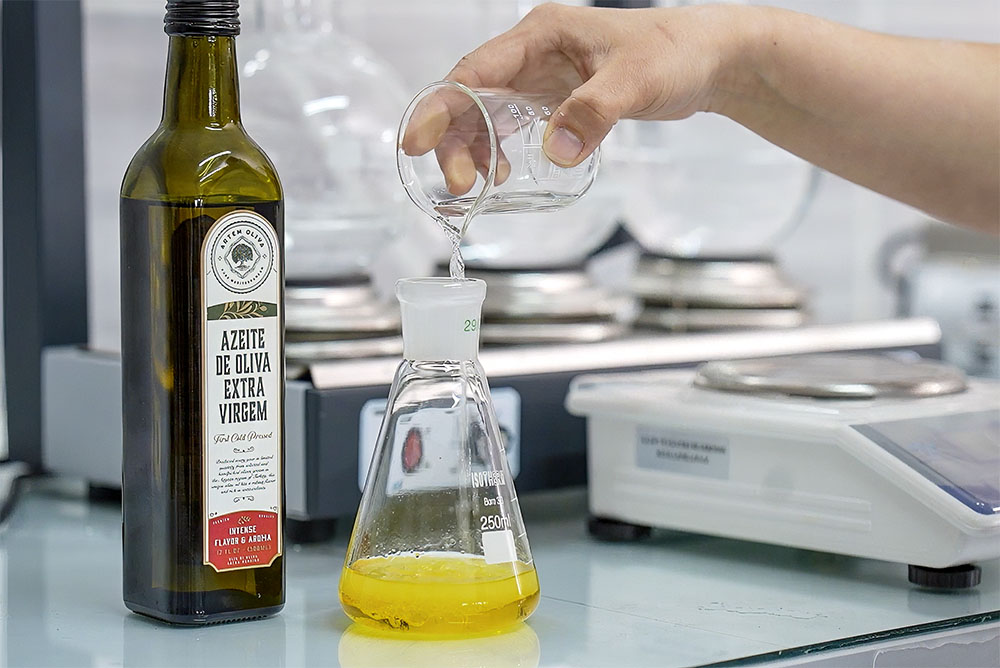
The Short Answer: True premium olive oil quality is defined by a free acidity level well below the standard 0.8% threshold, combined with a high polyphenol count (typically above 250 mg/kg) that guarantees both structural stability and health benefits. For international buyers, securing these precise chemical specifications is the only way to ensure product longevity during ocean freight and shelf-life competitiveness in premium retail markets.
Why Chemical Analysis is the Ultimate Quality Metric
When assessing potential export partners, sensory profiles alone are not enough. B2B buyers require hard data. The chemical breakdown of olive oil dictates its smoke point, its resistance to oxidation during long transit times from ports like Izmir, and its eventual retail value.
The two most critical indicators of this quality are polyphenols and free acidity.
The Power of High Polyphenol Counts
Polyphenols are the natural antioxidants found in olives. A high polyphenol count provides the oil with its signature peppery finish and acts as a natural preservative, significantly extending shelf life.
From a consumer trend perspective, the market is shifting. We are seeing immense demand from health-conscious demographics—particularly individuals utilizing advanced fasting protocols (like OMAD) to support metabolic functions such as lipolysis and autophagy. These consumers actively seek out high-polyphenol oils for their scientifically backed anti-inflammatory properties.
Unlike generic suppliers, dedicated extra virgin olive oil manufacturers invest heavily in advanced, temperature-controlled milling and specialized storage to lock in these volatile, health-boosting compounds before export.
Demystifying Free Acidity
Free acidity measures the breakdown of triglycerides into free fatty acids. In simple terms: lower acidity means healthier, less damaged fruit was used, and the oil was extracted rapidly under perfect conditions.
While the global baseline for the “Extra Virgin” classification requires an acidity of 0.8% or lower, premium export markets demand much tighter tolerances. In my experience negotiating exclusive contracts and managing analysis requirements for stringent regulatory environments like South Korea, a standard 0.8% is rarely sufficient for elite private label brands; they demand analytical reports proving levels closer to 0.2% or 0.3%.
Comparing Export Grades
To make informed purchasing decisions, importers must look closely at the laboratory results. Here is a breakdown of what to expect when evaluating certificates of analysis:

Securing Supply for International Markets
Navigating international customs and strict laboratory analysis requirements requires a partner who understands the science behind the product. When an importer requires a specific chemical profile for a private label line, the entire supply chain—from harvest timing to temperature control during extraction—must be optimized.
For B2B buyers and retail chains, partnering with elite extra virgin olive oil manufacturers ensures that the chemical profile matches the marketing claims on the bottle, securing customer loyalty and seamless customs clearance worldwide.


